

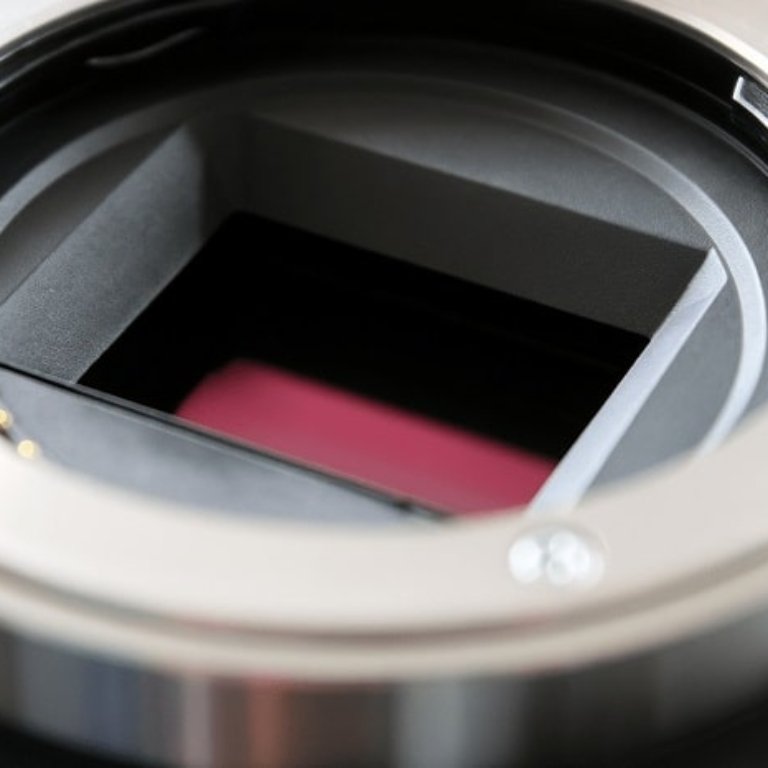
La photographie de paysages étoilés (nightscape) attire de plus en plus d’amateurs comme de professionnels. Une question revient souvent : faut-il absolument un appareil photo full frame pour réussir ses astrophotographies, ou un APS-C peut-il offrir des résultats comparables ?
Contrairement aux idées reçues, la différence n’est pas aussi radicale. Grâce aux progrès du post-traitement et à des techniques comme l’empilement ou l’utilisation d’un tracker, un APS-C bien utilisé peut rivaliser avec un plein format dans de nombreuses situations.
Sensibilité ISO et bruit numérique : le vrai point de départ
En astrophotographie, on travaille souvent autour de 3200 ISO ou plus pour capter un maximum d’étoiles.
Voici les différences principales entre les deux formats :
✔ Full Frame (plein format)
- Gère mieux la montée en ISO
- Produit moins de bruit numérique
- Offre une meilleure dynamique dans les ombres
- Idéal pour les prises uniques ou les conditions difficiles
✔ APS-C
- Le bruit devient plus visible à haute sensibilité
- Moins performant en prise unique
- Peut néanmoins produire une image propre et détaillée avec les bonnes techniques
À première vue, le full frame semble donc gagnant… mais les outils modernes changent complètement la donne.
Un APS-C peut rivaliser avec un full frame grâce à l’empilement (Sequator)
Le logiciel Sequator est l’un des outils les plus efficaces pour réduire le bruit en astrophotographie.
Il permet :
- d’aligner les étoiles tout en conservant l’avant-plan intact,
- d’empiler plusieurs photos pour éliminer le bruit aléatoire du capteur,
- d’améliorer les détails et la propreté du ciel.
Le principe est simple :
Plus vous empilez d’images → plus le bruit diminue → plus les étoiles deviennent nettes.
Résultat : une photo finale issue d’un APS-C peut atteindre un niveau de propreté comparable à celui d’un appareil full frame.
C’est l’une des raisons pour lesquelles de nombreux astrophotographes débutants gardent leur APS-C et améliorent leur technique plutôt que de changer de boîtier.
Le tracker : une autre option pour obtenir un ciel plus propre à faible ISO
Un tracker est un petit dispositif motorisé qui compense la rotation de la Terre. Il permet d’effectuer des poses longues à ISO réduit, ce qui donne :
- moins de bruit
- plus de détails
- des couleurs plus propres dans le ciel nocturne
C’est une méthode très efficace pour obtenir des nightscapes de qualité.
✔ Le seul inconvénient : les pixels chauds
Lors des poses longues, le capteur chauffe et génère des pixels défectueux visibles sur l’image.
Deux solutions permettent de les éliminer :
- Corriger les pixels chauds en post-traitement (ex. Lightroom, Camera Raw)
- Activer la réduction du bruit longue pose :
- l’appareil capture une seconde photo « dark frame »
- les pixels chauds sont automatiquement retirés
- le résultat final est propre et homogène
APS-C ou Full Frame : lequel choisir pour l’astrophotographie ?
En résumé :
✔ Le Full Frame
Plus performant en haute sensibilité, idéal pour ceux qui veulent :
- des photos propres en prise unique
- la meilleure gestion de la lumière
- un maximum de dynamique
✔ Le APS-C
Capable de résultats professionnels, à condition d’utiliser les bonnes techniques :
- Empilement avec Sequator pour éliminer le bruit
- Tracker pour poser plus longtemps à faible ISO
- Réduction du bruit longue pose pour supprimer les pixels chauds
Grâce à ces méthodes, l’APS-C devient une alternative sérieuse et économique au plein format, idéale pour débuter et progresser en photographie nocturne.